
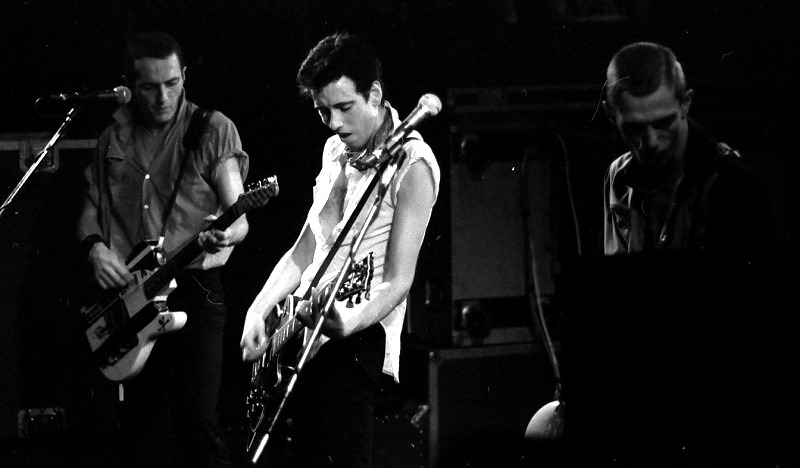
The Clash is considered one of the most influential bands in the history of punk and new wave music. Formed in London in 1976, the band was at the forefront of the punk rock movement, combining high-energy music with politically charged lyrics that spoke to the concerns of the working-class youth of the time.
At their core, The Clash was a punk band, drawing on the fast, aggressive sound of early punk acts like The Sex Pistols and The Damned. However, the band quickly began to incorporate elements of reggae, ska, and rockabilly into their sound, creating a unique blend of musical styles that would come to define the new wave era.
In addition to their innovative musical style, The Clash was known for their outspoken political views and activism. Many of their songs tackled issues like social inequality, racism, and government oppression, making them a voice for disaffected youth and marginalized communities.
The Clash’s impact on punk and new wave music cannot be overstated. Their fusion of punk, reggae, and other musical styles helped to push the boundaries of what punk rock could be, and their socially conscious lyrics paved the way for a new wave of politically engaged music in the 1980s.
Moreover, The Clash’s influence can still be heard in the music of countless bands today, from the punk and ska revival acts of the 1990s to the politically charged punk rock of today. Their music continues to inspire new generations of fans and musicians, and their legacy as one of the most important and influential bands of the punk and new wave era remains secure.
The Punk Movement
One of the primary concerns of the punk movement was the state of the economy, particularly in the UK and US where unemployment rates were high and many young people were struggling to find work. Many punk songs reflected this frustration and anger, with bands like The Clash and The Sex Pistols criticizing the government and the capitalist system.
Another issue that punk rockers protested against was social inequality and the mistreatment of marginalized communities. Many punk songs addressed topics like racism, homophobia, sexism, and police brutality, shining a light on the injustices faced by these groups and calling for change.
Punk rockers also protested against what they saw as the conformist and consumerist culture of the mainstream. They rejected the idea that success and happiness could be achieved through material possessions and instead championed individualism and non-conformity.
In addition to their music, punk rockers used their fashion and style as a form of protest. Their distinctive looks, which often included torn clothing, spiky hair, and bold makeup, were a rejection of mainstream fashion and an expression of their rebellious spirit.
Overall, punk rock was a form of protest against a range of social and political issues, including economic inequality, social injustice, and the cultural status quo. It was a movement that sought to challenge the norms of society and give voice to those who felt marginalized or unheard.